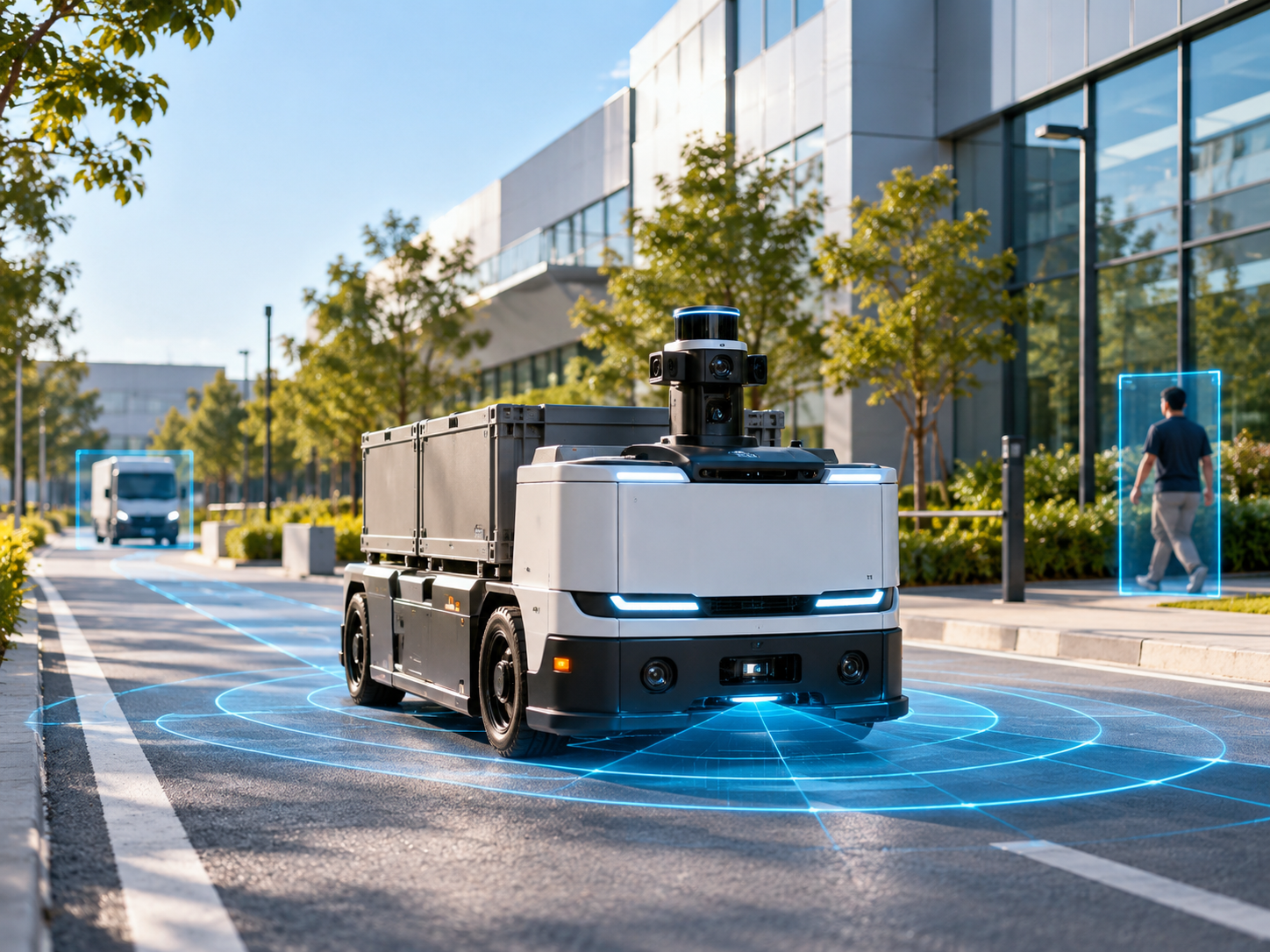
Autonomous Vehicles
Design perception, planning, and control stacks for ground vehicles - from warehouse AGVs to outdoor platforms - with safety constraints and real-time decision making.
We engineer intelligent machines that perceive their environment, understand spatial information, plan movement, and perform autonomous actions in dynamic real-world environments - from autonomous vehicles and industrial robots to mobile platforms and sensor-driven systems.
Engineer systems that perceive space, fuse sensors, plan motion, and act safely in the physical world - for vehicles, mobile robots, and industrial automation.
Design perception, planning, and control stacks for ground vehicles - from warehouse AGVs to outdoor platforms - with safety constraints and real-time decision making.
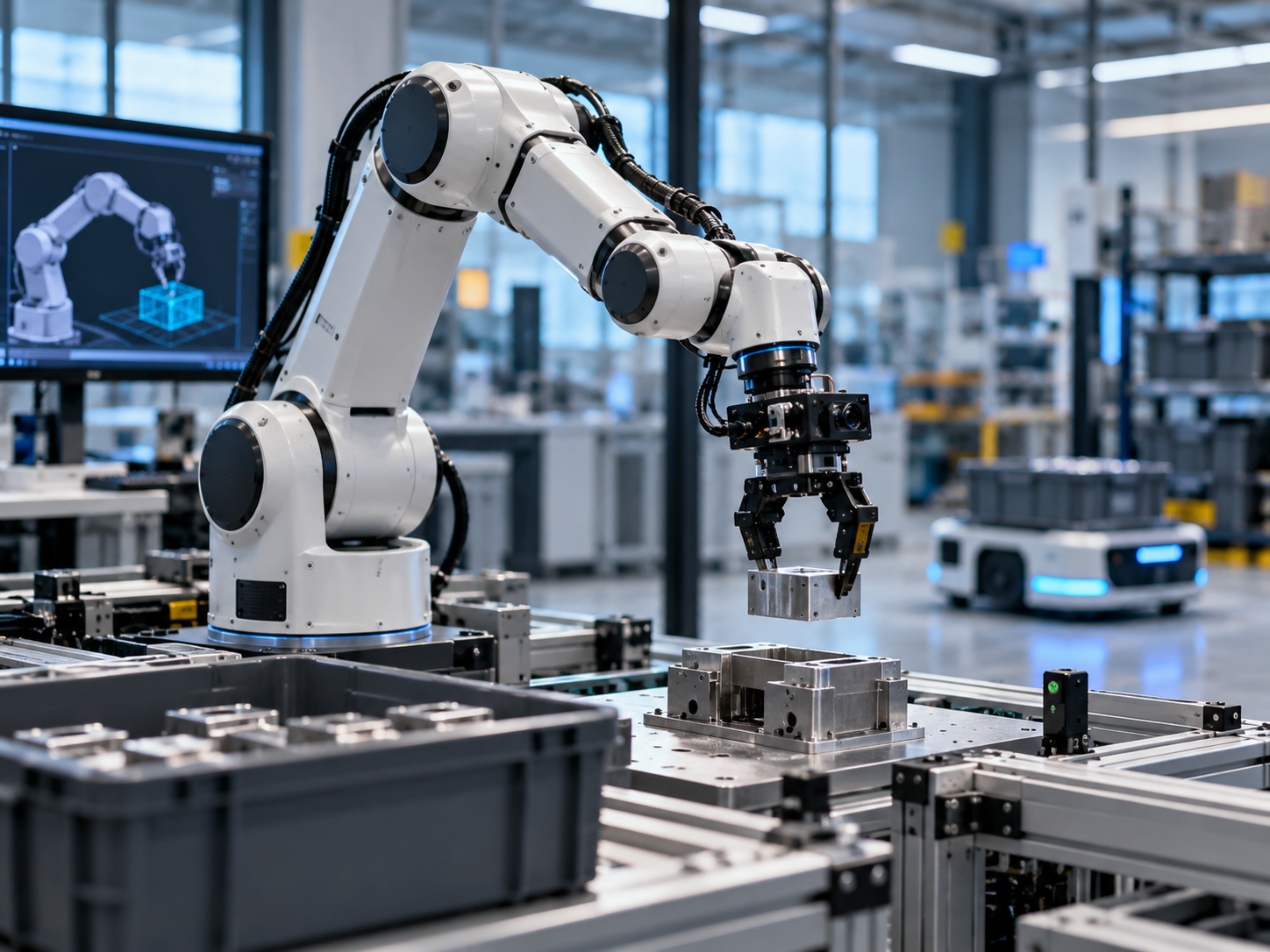
Build learning and reasoning layers for manipulators and mobile robots - task planning, skill libraries, and adaptive behavior under uncertainty and contact.
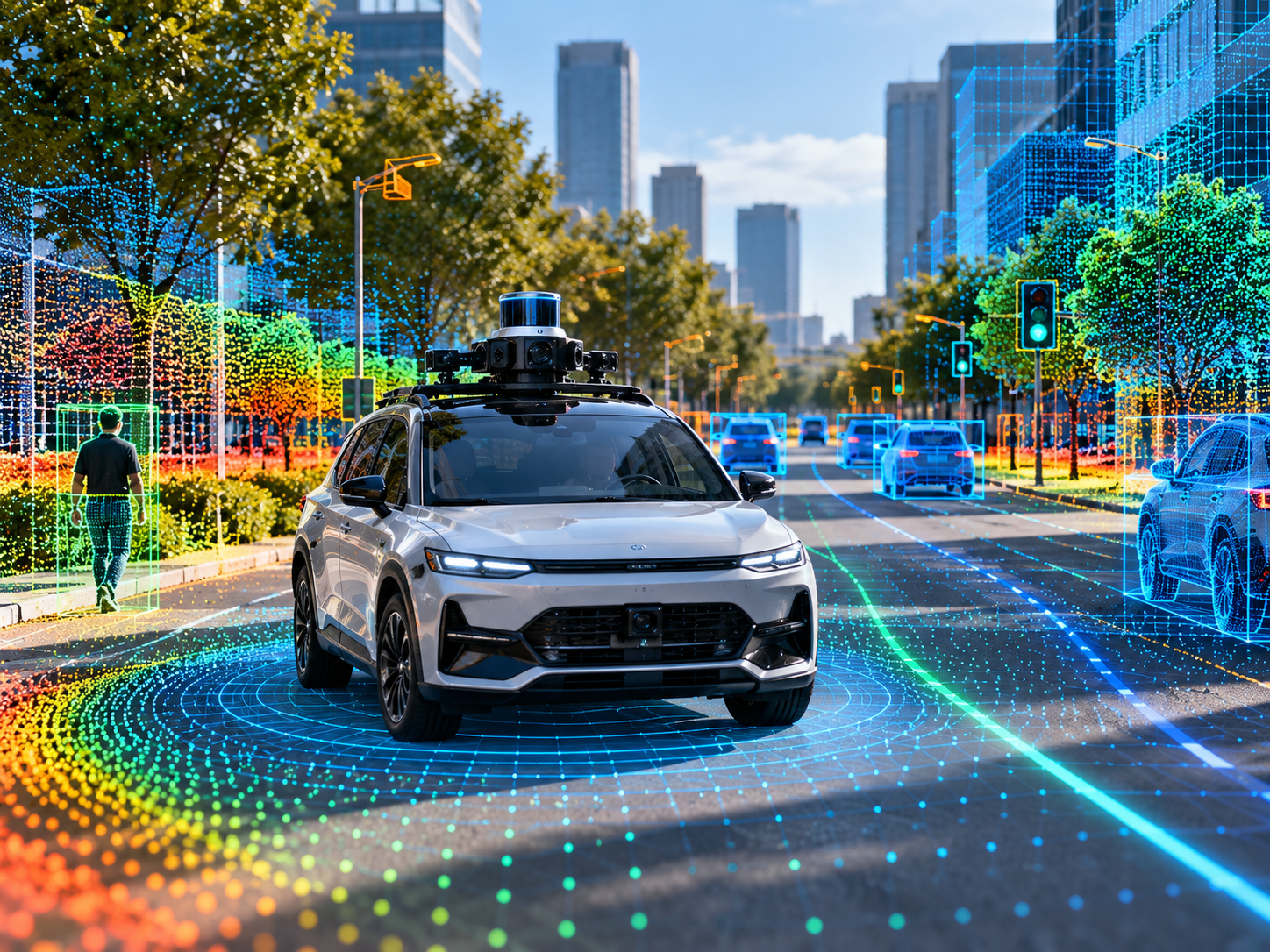
Develop 3D perception pipelines that turn camera, LiDAR, and depth data into maps, object tracks, and scene understanding for reliable autonomy.
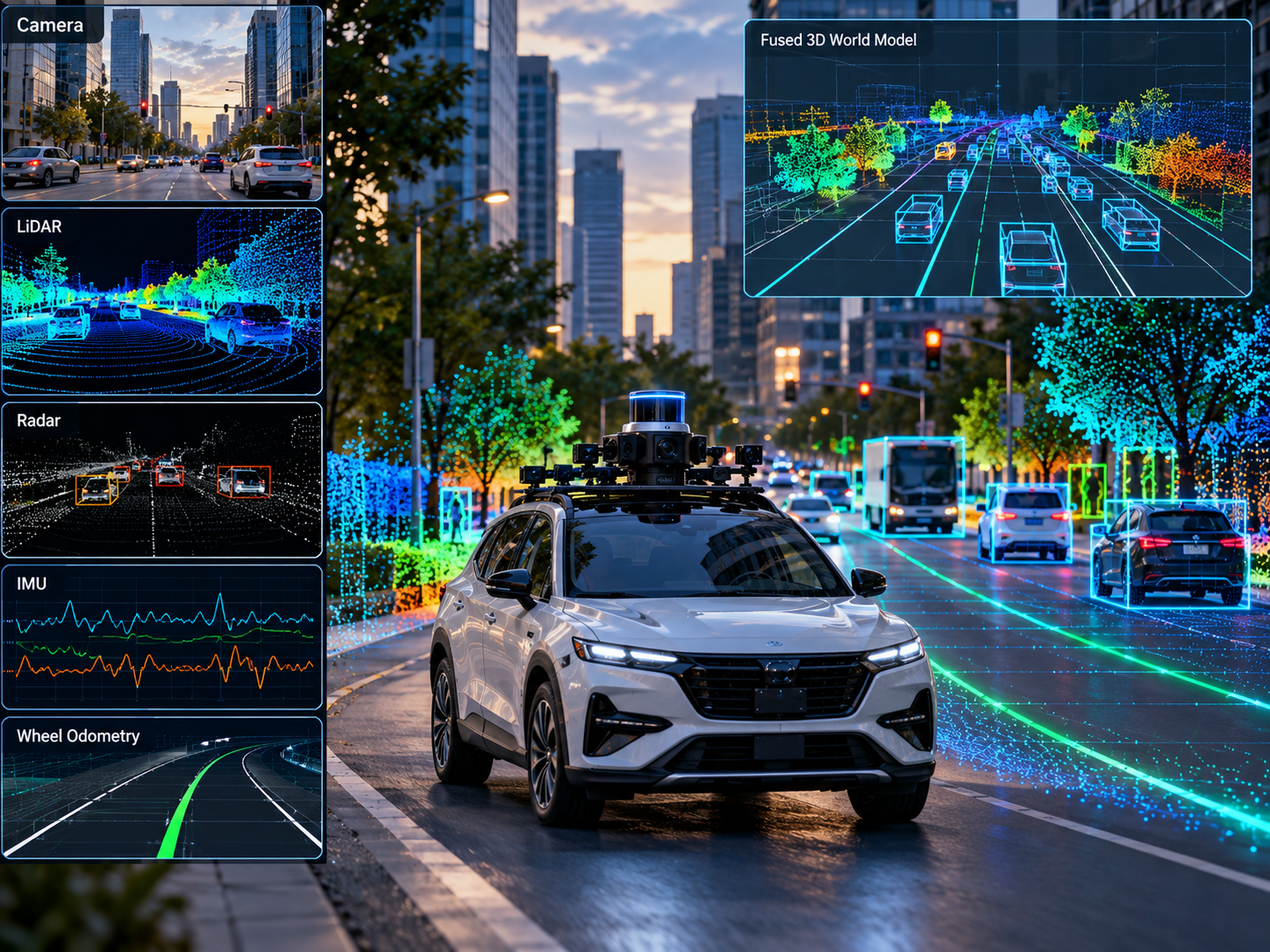
Fuse LiDAR, cameras, radar, IMU, and wheel odometry into a consistent world model with calibrated time sync, uncertainty estimates, and robust tracking.
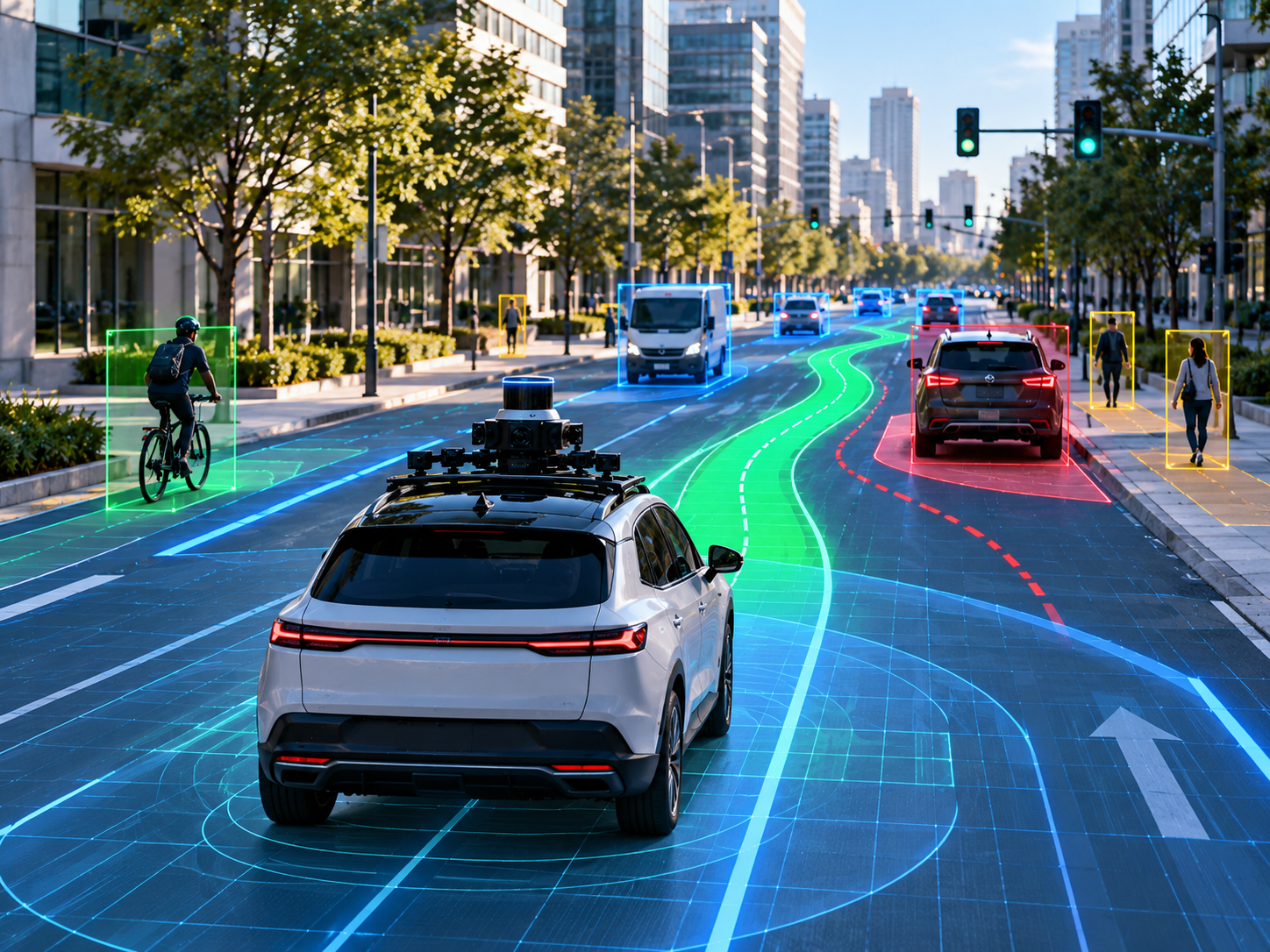
Plan collision-free, kinodynamically feasible trajectories in dynamic environments - with reactive replanning, constraint handling, and smooth execution.
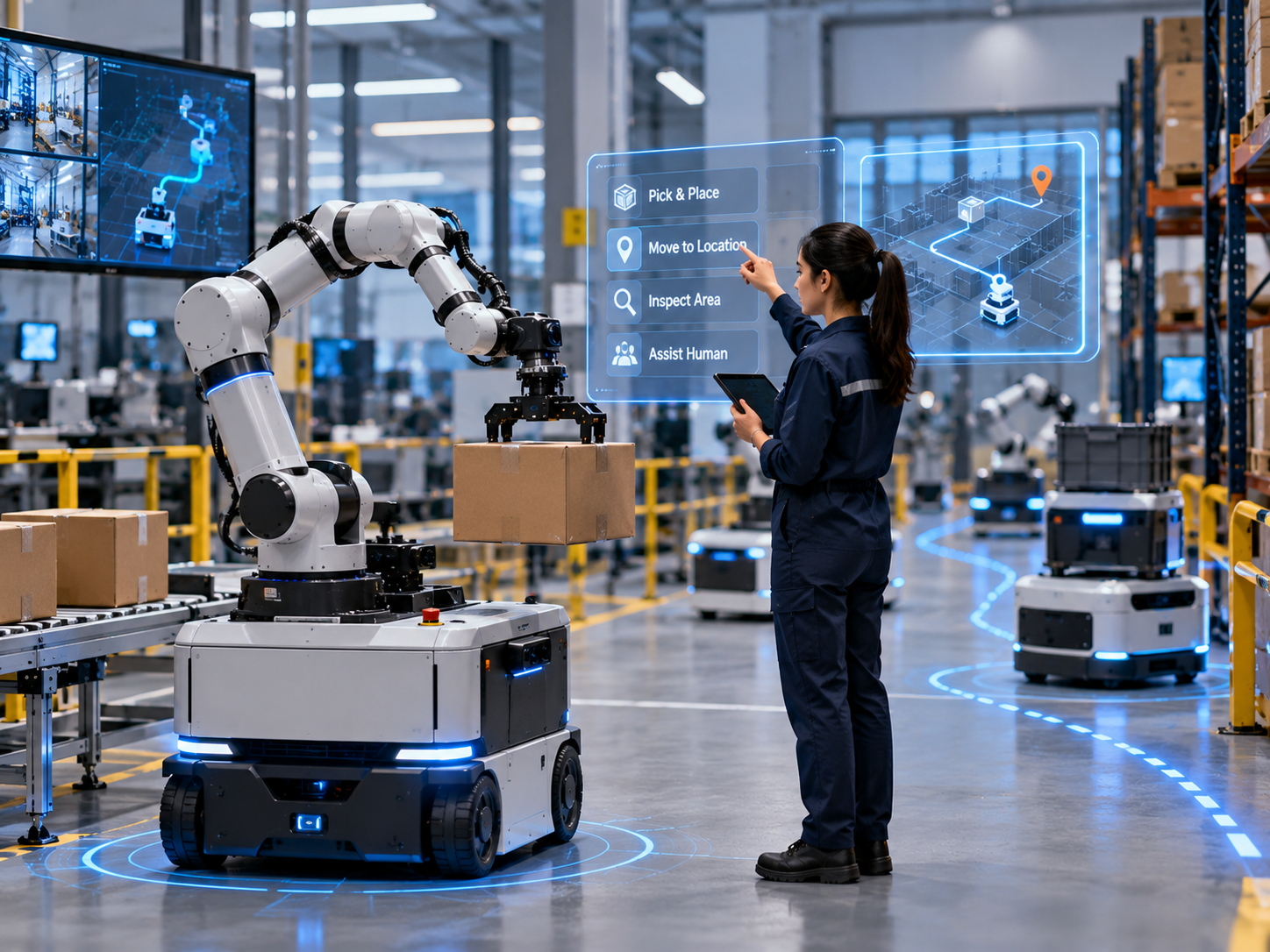
Layer high-level task reasoning, failure recovery, and human-robot interaction on top of perception and control for dependable physical AI systems.
Define operational domain, safety requirements, payload, and success metrics for the autonomous system.
Select and place LiDAR, cameras, IMU, and other sensors for coverage, redundancy, and calibration feasibility.
Build detection, tracking, mapping, and localization pipelines tuned to your environment and lighting.
Integrate multi-modal measurements into a unified state estimate with uncertainty and time synchronization.
Design global and local planners with obstacle avoidance, dynamics limits, and reactive replanning.
Implement low-level controllers and safety monitors that track trajectories under real actuator constraints.
Validate in simulation and hardware-in-the-loop before on-robot trials to reduce risk and cost.
Deploy with logging, remote monitoring, and operational procedures for supervised and autonomous modes.
Retrain perception, refine planners, and expand ODD coverage using field data and failure analysis.
Measurable results from physical AI and autonomous robotics systems we design, deploy, and improve in the field.
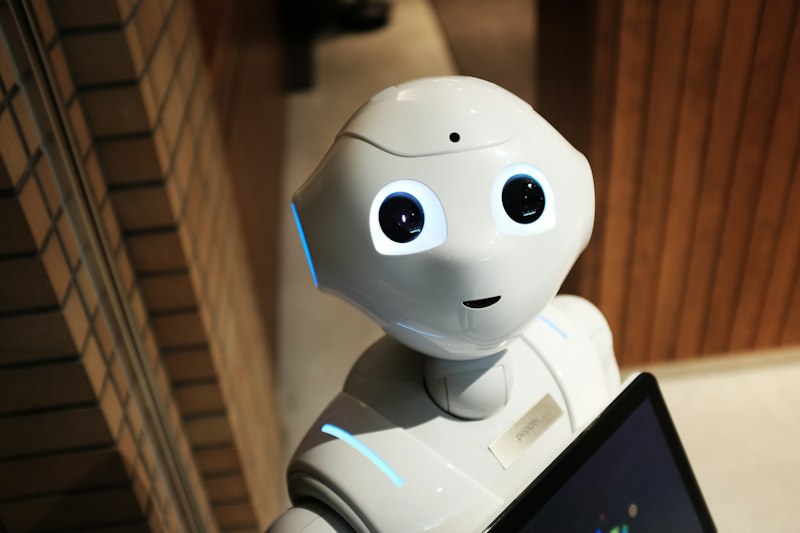
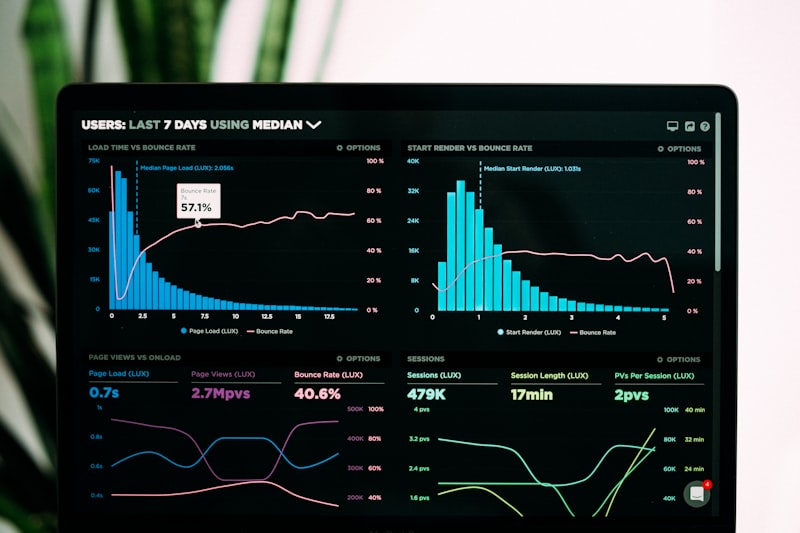



We select middleware, perception libraries, planners, and hardware based on real-time constraints, safety, and field reliability.
Engineer autonomous vehicles, robots, and perception stacks that sense, plan, and act safely in dynamic real-world environments.
Partner with our engineers to build autonomous vehicles, robotics AI, perception systems, sensor fusion, and motion planning that work reliably in real environments.